A garage door can feel “mostly fine” right up until it is not. One day, it is louder than normal. The next day, it shakes, drifts, or stops halfway. In Milford, CT, that can turn into a real headache fast because you rely on that door for parking, storage, and daily access.
This guide helps you decide whether you likely need garage door installation or a targeted repair. We will keep it simple, safety-focused, and easy to scan. You will learn the common warning signs, what a solid garage door service visit should cover, and what changes when you are planning residential garage door installation or commercial garage door installation. If you are unsure, that is normal. The key is knowing what signals should trigger an inspection now, and what signals suggest a new door may be the smarter long-term move.
Garage Door Installation vs. Repair
Most garage door issues fall into two categories: a worn part that needs repair, or a door system that is past its best years and is a better match for replacement. The fastest way to decide is to focus on safety, structure, and repeat problems.
Here is a simple way to think about it:
- Repair is often the right move when the door panels are solid, the door still moves fairly straight, and the issue is tied to a specific part like rollers, hinges, cables, sensors, or an opener setting.
- Installation is often the smarter move when the door sections are warped, cracked, badly rusted, or the door has a history of frequent breakdowns that keep coming back.
Also, think about what you want the door to do for your home or business. A newer door can improve quiet operation, daily reliability, and insulation performance. That matters in coastal Connecticut weather, where humidity, salt air, and temperature swings can wear materials faster.
If you are trying to sort out the “replace or repair” question using clear, real-world signals, read What Are The Signs You Need Garage Door Installation?
Safety comes first
If the door is slamming, hanging crooked, or grinding hard against the tracks, treat it as a safety issue. Garage doors are heavy systems under high spring and cable tension. When alignment changes, the door can move in unpredictable ways.
A simple rule helps: If the door movement is not smooth and steady, schedule an inspection. It is not worth risking damaged parts, a trapped vehicle, or a sudden failure.
The Clear Signs Your Door Needs Repair Now
Many garage door problems start small and grow quickly. If you notice any of the signs below, a professional garage door service visit can usually identify the root cause before it spreads into bigger damage.
The door is louder than normal
Some sound is normal, but sharp changes matter. Listen for:
- Grinding or scraping
- Clicking during travel
- Squealing that gets worse each week
- A sudden bang during operation
These symptoms often point to worn rollers, loose hardware, track alignment changes, or opener strain.
The door moves unevenly
A healthy door moves smoothly and stays level. Warning signs include:
- Jerky travel or shaking
- One side is rising faster than the other
- The door is drifting or rubbing
- The door stopped mid-travel
Uneven travel can signal track alignment problems, roller wear, cable wear, or spring balance issues.
The door reverses or will not close
If the door starts down and then reverses, or it will not close at all, common causes include:
- Sensor alignment issues
- Opener force settings that are no longer correct
- Track obstructions or debris
- Door balance changes that make the opener “fight” the load
A proper inspection checks the door travel path, sensor function, and the system’s opener behavior.
Visible wear on key parts
Without touching anything, you can often spot risk signs:
- Frayed cables
- Bent hinges
- Rollers that look cracked or chipped
- Loose track brackets
- Gaps where door sections no longer sit flush
If you see these issues, schedule service. Avoid operating the door repeatedly, since repeated cycles can speed up wear.
When a New Garage Door Installation Makes More Sense
Repairs are often the right move, but there are times when garage door installation is the more reliable option. The goal is not to replace a door early. The goal is to avoid throwing time and effort into a system that will keep failing.
Because comfort and moisture control often come down to air leaks, the U.S. Department of Energy recommends improving door sealing and weatherstripping to reduce drafts and energy loss.
The door sections are damaged or no longer stable
A few common examples:
- Door sections that are warped, cracked, or bowed
- Rust that has spread across structural areas
- Rotting wood panels or soft spots
- Dents that cause the door to bind in the tracks
When sections are not stable, you can end up with ongoing alignment problems, rough travel, and repeated part wear.
You have repeated breakdowns
If the door has needed multiple service visits in a short period, it is worth stepping back and asking a bigger question. Even if each repair is “small,” the pattern matters. A worn system can keep shifting, and that can keep wearing down rollers, hinges, and opener performance.
You want better comfort and insulation
In Milford, CT, weather swings can make garages hotter in summer and colder in winter. If your garage connects to the living space, insulation can matter more than you think. A newer door may support:
- Better insulation ratings
- Stronger perimeter seals
- Reduced drafts and moisture entry
- Quieter movement due to tighter construction
If your current door is thin, rattly, or drafty, residential garage door installation may be a comfort upgrade as much as a reliability upgrade.
For homeowners prioritizing comfort, ENERGY STAR outlines practical steps like sealing air leaks and improving insulation to support a more stable indoor environment.
What Residential Garage Door Installation Usually Involves
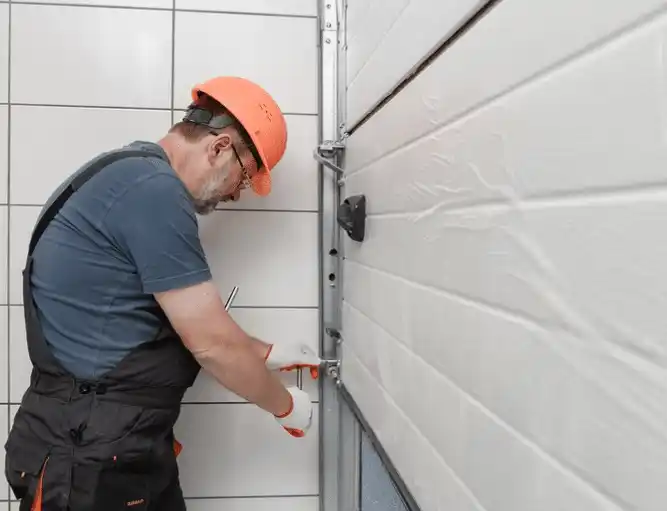
A solid residential garage door installation plan is not only about choosing a door style. It is about matching the door to your opening, your daily use, and your safety needs.
Measuring and door fit
A professional measures the opening, headroom, side room, and backroom. This matters because the track layout and spring system must match your space. A door that is not measured correctly can end up with rough travel and early wear.
Material and insulation selection
Common residential options include steel, composite, and wood. In coastal Connecticut areas, many homeowners prioritize durability and moisture resistance. Insulation and weather sealing also matter if the garage is attached or used as a workshop.
Opener match and safety features
Your opener must be compatible with the door weight and travel. A modern setup typically includes:
- Safety sensors that reverse the door if something is in the path
- Secure remote access features
- Reliable wall controls and safe lighting
- Smooth travel that does not strain the system
If you are thinking about timing and seasonality for a home upgrade, read When Should You Schedule Residential Garage Door Installation?
When Commercial Garage Door Installation Is the Smarter Move
Commercial doors take a different kind of wear. They may cycle many times a day, handle larger openings, and support security and workflow needs. In many cases, commercial garage door installation is about reducing downtime and improving daily operations.
High-cycle use changes everything
A busy shop, warehouse, or service bay may run the door over and over throughout the day. Repeated cycling can wear parts faster and create bigger business disruptions when something fails.
Commercial installation may be the better option when:
- The current door jams, hesitates, or binds often
- The door is undersized for the daily workflow
- Security needs have changed
- The system lacks modern safety features
Security and access control
Businesses often need stronger control over entry. A commercial system can integrate:
- Keypad access
- Controlled remotes
- Better locking and track strength
- Better alignment for consistent closing
If you manage a facility and want clear triggers for when it is time to upgrade, read When Do Businesses Need Commercial Garage Door Installation?
What “Garage Door Service” Should Include
The phrase garage door service can mean many things, so it helps to know what a thorough visit should cover. A real inspection should evaluate the whole system, not only the part that “seems” to be acting up.
A complete service visit often includes:
- Track inspection for alignment and secure mounting
- Roller inspection for wear, cracking, and smooth travel
- Hinge inspection for strain and looseness
- Cable inspection for fraying and uneven wear
- Spring system inspection for balance and safe function
- Opener inspection for strain, travel limits, and consistent performance
- Sensor inspection for alignment and reliable reversal function
- Weather seal inspection for gaps and contact issues
A professional should also explain what they found in plain language, including what is urgent, what is developing, and what can be planned for later. That clarity helps you make a smart choice between repair and garage door installation.
Choosing the Right Door and Opener for Milford, CT
When you do move forward with garage door installation, selecting the right setup can prevent future issues and improve daily use.
Door features that matter
Consider:
- Material durability for moisture and coastal air
- Insulation and seals if comfort matters
- Reinforcement for stronger long-term performance
- Quiet operation for homes with bedrooms nearby
Opener features that help
Many homeowners and business owners prefer features like:
- Battery backup for power interruptions
- Smart controls for monitoring and access
- Smooth start and stop travel
- Secure remote technology
The best setup is the one that fits your door weight, your opening, and your daily routine. The goal is steady, predictable travel with fewer surprises.
A Smart Next Step for Your Garage Door
If your door is noisy, uneven, or unreliable, you do not have to guess whether it needs repair or a full upgrade. A professional inspection can quickly narrow the cause, explain what is happening, and map out the safest path forward for your home or business in Milford, CT.
Southern Connecticut Overhead Door is here to guide you through the options, explain what your system needs, and carry out the work with clear communication from start to finish. We take the time to answer your questions, outline the next steps, and help you feel confident in the plan for your home. Contact us or give us a call to get started.