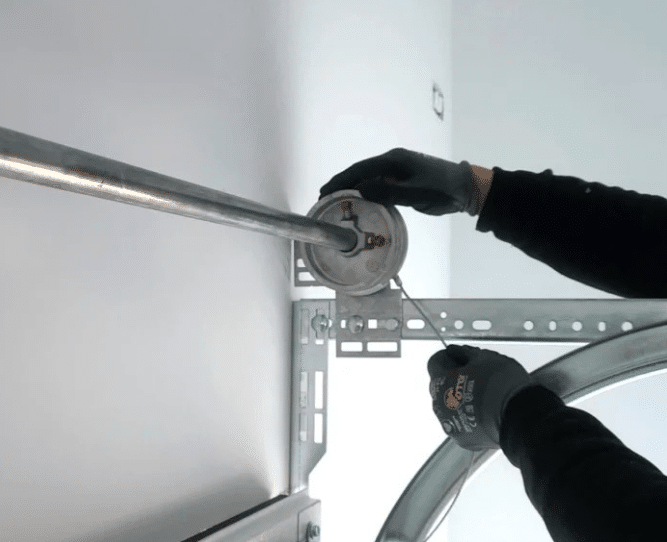
Most homeowners think about residential garage door installation only when the door stops working. That timing is common, but it often leads to rushed decisions and bigger disruptions than necessary. A garage door can still open and close while the system is becoming less stable, less predictable, and harder to trust. When the garage is your daily entry point, that matters.
This guide is about timing, not troubleshooting. You will not see DIY checks, quick tips, or “try this” advice. Instead, you will learn the most common scheduling triggers homeowners in Milford, CT, notice before a door becomes an urgent problem, plus how to plan around daily routines, security concerns, and high-use seasons.
The Timing Question That Helps the Most
A lot of homeowners ask, “Can it wait?” A better question is:
What happens if it does not wait?
A garage door rarely fails at a convenient time. When timing is off, the impact often shows up like this:
- You cannot get a vehicle out when you are already late
- The door will not close fully when you want the garage to be secure
- The door becomes unpredictable during a busy week
- You start planning your day around whether it will cooperate
Scheduling early is not about rushing into a replacement. It is about staying in control of timing and avoiding forced decisions.
If you are still weighing installation or repair, read: Do You Need Garage Door Installation or Repair?
Schedule When Reliability Starts Sliding
Garage doors usually give signals before they become a full disruption. Many homeowners notice a slow shift in how the door behaves. This stage is important because it is often the best window to schedule without stress.
Reliability slide signals often feel simple:
- The door moves more slowly than it used to
- Travel feels rough instead of smooth
- Closing feels inconsistent from day to day
- The system feels touchy
- Confidence drops even if it still works
These signals do not tell you the exact cause. They do tell you something useful: the system is no longer operating as steadily as it should. That is a strong scheduling trigger.
If you want a dedicated list of installation warning signs, read What Are the Signs You Need Garage Door Installation?
Schedule When You Notice a Repeat Pattern
One service needed is normal. A repeat pattern is different. Repeat patterns often signal that the system is wearing across more than one area, which increases the odds of ongoing downtime.
Repeat-pattern timing triggers:
- The same issue returns
- A new issue appears soon after
- The door never feels “fully right” again
- Reliability keeps trending down
- You feel like you are managing the door too often
When the door becomes a recurring interruption, homeowners often prefer scheduling installation on purpose instead of waiting for the next surprise.
Schedule When Door Sections Show Structural Decline
Door sections are the foundation of stable travel. When the door structure is worn, the system can become harder to trust long-term. This is one of the clearest timing signals because structural wear tends to progress.
Structural decline often shows up as:
- Warped or bowed panels
- Cracks near hinge areas
- Rust spreading along seams or bottom edges
- Panels that look uneven across the face
- A door that looks “wavy” when it is closed
In Milford, CT, moisture and seasonal shifts can speed up corrosion and edge wear. When structural decline becomes visible, many homeowners schedule installation earlier to avoid the door becoming unstable during a busy season.
Schedule When the Door Closes Inconsistently
Closing consistency is a major timing trigger because it affects security and peace of mind. A garage door should close the same way every time. When that consistency fades, homeowners often start checking the door more often or feeling unsure when leaving home.
Closing-confidence triggers:
- The door does not “land” the same way each time
- Closure looks uneven
- You notice gaps when it is shut
- You hesitate before walking away
Even if the door still operates, inconsistent closing can feel like a daily risk. That is often when scheduling an installation evaluation becomes the practical next move.
Schedule When Noise and Vibration Become the New Normal
Noise changes are common. What matters is when noise becomes persistent or when vibration becomes noticeable over time. Many homeowners describe this stage as the door feeling “heavier” or “rougher,” even if it still moves.
Noise and vibration timing triggers:
- Grinding or scraping sounds during travel
- Rattling that seems to come from the door itself
- A clunking sound that repeats regularly
- A door that shakes the opening as it moves
- Noise that keeps getting worse over the weeks
Persistent noise is not only annoying. It is often a sign that the system is not moving smoothly as a unit. When noise becomes normal, scheduling tends to make life easier than waiting for a bigger interruption.
Schedule When the Door Becomes a Daily “Watch Item”
This is one of the most common real-world timing triggers because it is about confidence, not mechanics. Many homeowners cannot describe the issue in technical terms. They just know they are now watching the door every time it moves.
You might recognize this stage if you think:
- “It works, but I do not trust it.”
- “I hope it closes this time.”
- “It feels like it could act up any day.”
- “I do not want to deal with it during a busy week.”
When the door becomes something you monitor, the system is no longer a background feature. It is a recurring point of stress, and that is often when scheduling installation becomes worth it.
Schedule When the Garage Is Now Essential to Your Routine
Timing is not only about door condition. It is also about how your household uses the garage today. If the garage is now a central part of daily life, the cost of downtime increases.
Routine changes that raise urgency:
- You park in the garage daily
- The garage is your main entry
- Multiple drivers share access
- Work and school mornings are tight
- You use the garage for storage or a workspace
When access is essential, even minor reliability problems feel bigger. Many homeowners schedule residential garage door installation sooner once the garage becomes a daily “must-work” system.
Schedule Before Travel, Guests, or a Schedule-Heavy Season
Another smart approach is to schedule before periods when you need the door to be dependable without question. Many homeowners prefer not to risk an interruption right before a major event or trip.
Planning windows that often make sense:
- Before a vacation or work travel
- Before holidays and visiting guests
- Before the start of a new school routine
- Before a season when you use the garage more
- Before a time of year when schedules get packed
This is not about predicting failure. It is about reducing the chance of disruption when you have the least flexibility.
Schedule When Security Concerns Become More Important
A garage door is a security barrier. If your garage connects to the home or stores valuable items, confidence in the door matters even more. Timing often becomes urgent when security concerns rise.
Security timing triggers:
- You no longer trust the door to close firmly
- You worry about gaps when the door is shut
- You feel unsure about leaving home without re-checking
- You want a more dependable daily close
Security concerns are a valid reason to schedule installation, even if the door still operates.
Schedule When Sealing and Moisture Concerns Become Noticeable
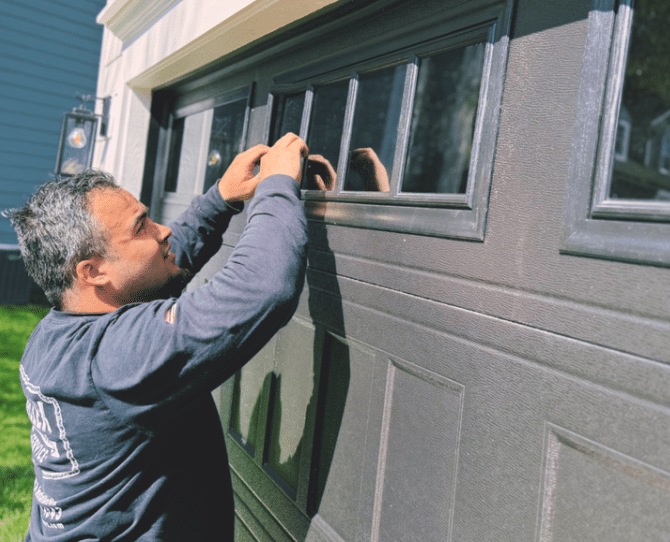
Sealing changes are easy to ignore because the door can still open and close. But sealing problems often become a timing trigger in Milford, CT, because moisture exposure can add wear over time and create constant annoyance.
Sealing-related triggers:
- Light is visible along the edges
- Drafts near the garage entry
- Water marks near the threshold after storms
- Damp smell that lingers
- Dirt and debris are collecting just inside the door line
Sealing issues often show up alongside other timing triggers like uneven closing or rising noise. When these patterns stack up, homeowners often decide scheduling sooner is the easier path.
Schedule Before a Renovation, Exterior Update, or Home Listing
Garage doors take up a large part of the front of many homes. Timing often lines up with exterior plans because homeowners want the home to feel consistent, dependable, and secure.
Common project-based timing windows:
- Before repainting or siding updates
- Before driveway work
- Before listing the home
- Before garage interior upgrades
- Before changes that rely on dependable access
Even when the door still operates, an older or worn door can make the home feel less dependable. Many homeowners schedule installation when they are already planning improvements.
This Old House notes that upgrading a garage door can improve energy performance and daily function, which is why many homeowners align scheduling with exterior updates.
Seasonal Timing Without Overthinking It
There is no single best season for every home. The best strategy is:
Schedule when you have flexibility, not when the door forces you.
Still, many homeowners prefer scheduling during:
- Mild weather weeks
- Before winter demand rises
- Before storm-heavy periods
- Before the busiest months on their calendar
If reliability is already sliding, waiting purely for a calendar window can be risky. The door does not care about perfect timing.
How Residential Timing Differs From Commercial Timing
Residential timing is usually driven by daily access, home security, and comfort. Commercial timing is often driven by workflow impact, high-cycle usage, and downtime risk.
If you also manage a business property, this cluster page supports the commercial side: When Do Businesses Need Commercial Garage Door Installation?
Why Scheduling Earlier Often Feels Easier
Homeowners sometimes worry that scheduling early means overreacting. In reality, scheduling earlier often reduces stress because you avoid the emergency scenario.
What scheduling early commonly helps you avoid:
- Rushed decisions
- Unplanned downtime
- Schedule chaos
- Security uncertainty at night
- A disruption that hits at the worst moment
The biggest benefit is control. You choose the timing, not the next surprise.
A Better Time to Schedule Than “After It Breaks”
If your door is becoming louder, rougher, less predictable, or harder to trust, scheduling residential garage door installation sooner can help you avoid last-minute disruption and security worries. Planning ahead is often the difference between a smooth appointment and an urgent scramble when you least have time for it.
Southern Connecticut Overhead Door will evaluate your Milford, CT garage door, explain what we find in plain language, and recommend the most reliable next step for your home. You’ll get a clear plan based on safety, performance, and long-term dependability, without pressure or confusion. Contact us today to schedule your evaluation or give us a call to get started.